
What Chakra Balancing Music Is and How to Use It

You have probably felt it before. A certain song settles your chest, another makes your shoulders drop, and a low, steady hum can make a racing mind go quiet. Chakra balancing music works with that same simple fact, since sound changes how your body feels, and different tones seem to affect different parts of your energy system in different ways.
You do not need any special training to try it. You just need a quiet ten minutes, a few tracks or a singing bowl, and a little bit of attention to where you carry tension or fatigue in your body.
What Chakra Balancing Music Actually Does
Chakra balancing music is built around the idea that each of the seven main energy centers in your body responds to a specific pitch or frequency. A low, grounding tone is thought to settle the root chakra at the base of your spine, while a high, clear tone is linked to the crown chakra at the top of your head.
Musicians and sound practitioners often use singing bowls, tuning forks, or recorded tracks tuned to specific notes to create these tones. The music does not do the work for you on its own. It gives your nervous system something steady to settle around, the same way a slow, steady rhythm can calm a fussy baby.
The Seven Chakras and the Sounds Linked to Each
Different traditions assign slightly different notes to each chakra, but most agree on the general pattern moving from low to high as you move up the body. Here is a common version you can use as a starting point.
- Root chakra (base of spine): Low tones, often the note C, connected to safety and feeling grounded.
- Sacral chakra (lower belly): The note D, connected to creativity and emotional flow.
- Solar plexus chakra (stomach area): The note E, connected to confidence and personal power.
- Heart chakra (center of chest): The note F, connected to compassion and connection to others.
- Throat chakra (base of throat): The note G, connected to honest self-expression.
- Third eye chakra (between the brows): The note A, connected to clarity and intuition.
- Crown chakra (top of head): The note B or a high, bell-like tone, connected to a sense of connection beyond yourself.
You do not need to memorize this list to benefit from it. Even without knowing which note is playing, most people can sense which area of a song or a chakra meditation track seems to land in their chest, their stomach, or their head.
How to Listen With Intention
The difference between chakra music as background noise and chakra music as a practice is attention. Try setting aside ten to fifteen minutes where the music is the only thing you are doing, rather than something playing while you scroll or clean.
Sit or lie down somewhere comfortable and let your eyes close if that feels right. As each tone plays, notice where you feel it in your body rather than trying to think your way through it. If a certain part of the track brings up tightness or emotion, stay with it for a breath or two instead of rushing past.
You can move through a full seven-chakra track this way, or simply repeat the tone connected to the area you want to support that day. Someone working through a stressful week might return to the low, grounding root chakra tone. Someone preparing for a hard conversation might lean toward the throat chakra tone instead.
When Live Sound Goes Deeper Than a Recording
Recorded chakra music is a solid daily tool, but a room full of crystal singing bowls played live feels different in a way that is hard to describe until you experience it. The tones move through the air and through your body at once, and many people notice a heavier, more physical sense of release by the end of a session.
At Prismatic Flower Essences in Madison Heights, we hold sound bath sessions where a full set of crystal singing bowls is played for a room of people lying down with blankets and eye pillows. You do not need any experience with sound work or energy practices to attend. You simply need to show up, get comfortable, and let the tones do what recorded music can only start to do.
Building Chakra Music Into a Daily Practice
You do not need a full sound bath every week to notice a difference. A short daily habit tends to work better than one long session once in a while, because your nervous system starts to recognize the pattern and settle into it faster each time.
- Play one chakra tone for five minutes each morning before you check your phone.
- Keep a short playlist for the chakra you tend to struggle with most, whether that is the throat chakra for speaking up or the heart chakra for staying open.
- Pair the music with slow breathing, gentle stretching, or a few minutes of quiet journaling.
- Use a single singing bowl tone at the end of a hard day as a simple signal that the day is done.
Over time, many people find that certain tones become a shortcut back to calm, the same way a favorite song can shift your mood within seconds.
Frequently Asked Questions
What note or frequency matches each chakra?
Most Western traditions match the root chakra to C, the sacral chakra to D, the solar plexus to E, the heart to F, the throat to G, the third eye to A, and the crown to B or a high bell tone. These are common starting points, not fixed rules, so trust what feels right to you as well.
How long should I listen to chakra balancing music?
Ten to fifteen minutes of focused listening is usually enough to notice a shift in how you feel. You can listen longer during a dedicated meditation session, but even a few quiet minutes with one tone can help you reset during a busy day.
Can I use chakra music while I sleep?
Yes, many people play low, slow chakra tracks softly in the background while falling asleep, especially root or heart chakra tones. Keep the volume low and choose a track without sudden shifts in pitch so it supports rest instead of pulling your attention.
Does chakra balancing music actually work?
People consistently report feeling calmer, more focused, and less tense after listening with intention, and slow, steady sound is well known to support relaxation and a settled nervous system. Results vary from person to person, so the best approach is to try it for yourself and notice what you feel.
Ready to Feel What Live Sound Can Do?
Join one of our crystal singing bowl sound bath sessions or ask Rev. Michael which practices best support your energy centers.
See Upcoming Events Ask Rev. Michael📅 Upcoming Events
- Oct 23 Aura Photography by Michael at the Mystical Mansion Weekend | Saginaw, MI
- Nov 1 Day of the Dead Mystical Market – FREE Event | Madison Heights, MI
- Nov 4 The Gathering Table: A Women’s Wellness & Connection Evening
- Nov 5 Money Elixir Workshop
- Nov 8 Scorpio New Moon Sound Bath: Descent & Return | Madison Heights, MI
Book These Sessions
Sessions with Rev. Michael Allison, a Certified Flower Essence Practitioner. Tap a session to see what it involves.


Related Articles
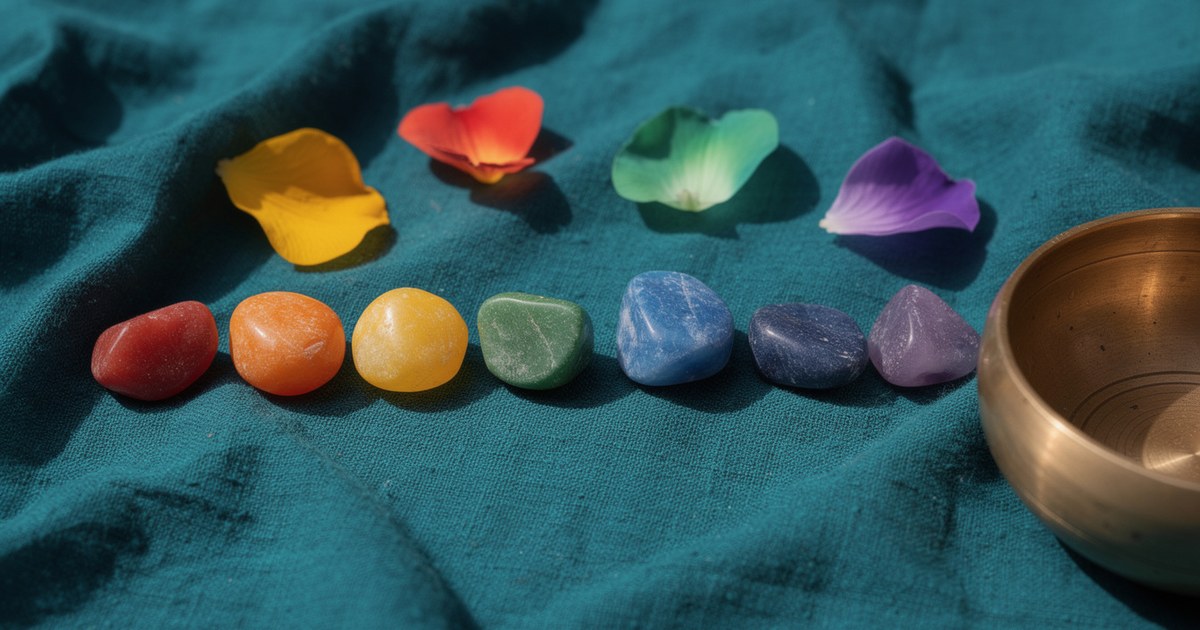
Chakra Balancing for Beginners: What It Is and How to Start at Home
If you have ever felt stuck, scattered, or emotionally off without a clear reason, chakra awareness gives you a useful framework for checking in with...
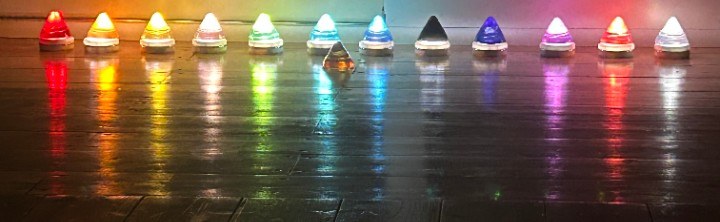
Quantum Balance Crystals Vortex Cones: The Color Range, Lit Up
A family workshop in business since 2010, a range organized by chakra color, and a row of twelve cones lit on a wood floor. What they are and how...
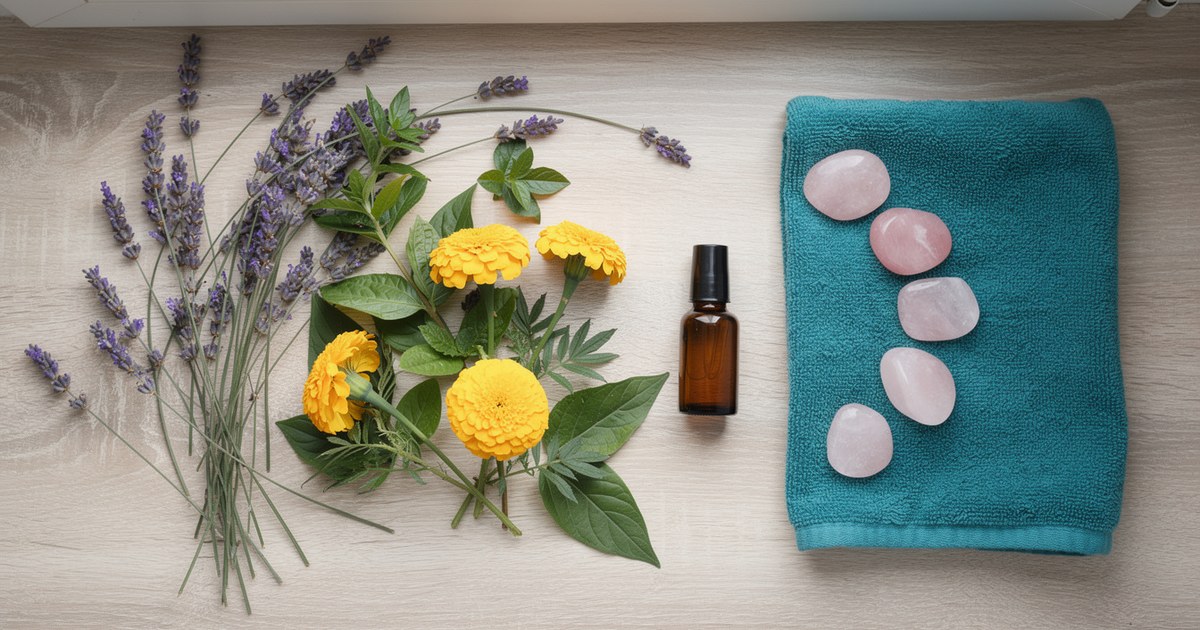
Chakra Balancing Massage: What It Is and How to Try a Simple Version at Home
Chakra balancing massage pairs gentle touch with attention to the seven energy centers of the body. Learn what a session feels like and how to try a...