
Chakra Balancing for Beginners: What It Is and How to Start at Home

Most people who search for chakra balancing are not looking for a philosophy lecture. They feel something is off and they want a practical way to check in with themselves and feel more centered. That is exactly what working with the chakras can offer you.
What Are Chakras, in Plain Language?
The word "chakra" comes from Sanskrit and means wheel or spinning disk. In many ancient wellness traditions, these spinning centers of energy run along the midline of your body and influence how you feel emotionally, physically, and spiritually. Think of them less like anatomy and more like a map for self-awareness.
When one area of your life feels persistently blocked or overwhelming, a chakra framework gives you a way to locate where the tension is living and what kind of support might help. It is a starting point, not a verdict.
A Quick Look at the Seven Chakras
You do not need to memorize everything at once. Start by reading through these briefly and noticing which one resonates with something you are currently feeling.
- Root Chakra (base of the spine): Governs your sense of safety, stability, and belonging. When this feels off, anxiety and restlessness tend to show up strongly.
- Sacral Chakra (lower abdomen): Connected to creativity, pleasure, and emotional flow. Feeling numb or emotionally flat often points here.
- Solar Plexus Chakra (upper abdomen): Your center of personal power and confidence. Self-doubt and people-pleasing often relate to this area.
- Heart Chakra (center of the chest): Governs love, compassion, and grief. Difficulty giving or receiving care often lives here.
- Throat Chakra (throat): Connected to honest expression and communication. Feeling unheard or afraid to speak up points to this center.
- Third Eye Chakra (forehead, between the eyes): Your center of intuition and inner knowing. Brain fog and indecision are often linked to this area.
- Crown Chakra (top of the head): Your connection to something greater than yourself. Feeling spiritually disconnected or deeply cynical may point here.
How Chakra Balancing Actually Works
Chakra balancing is not one single thing. It is a category of gentle, intentional practices that invite your energy to move more freely. The goal is greater ease and self-awareness, not perfection.
Common approaches include breathwork, movement, sound, color, meditation, and nature-based tools like flower essences. Many people layer a few of these together and build a rhythm that fits their daily life.
Simple Practices You Can Try at Home Today
You do not need a special room, expensive equipment, or years of training to begin. These starting points are accessible and can fit into a few quiet minutes each day.
Breathwork and Body Scanning
Sit comfortably and close your eyes. Breathe slowly into your belly and move your awareness up through each chakra location, noticing where you feel tension or numbness. This simple scan takes about five minutes and builds real self-knowledge over time.
Chakra Balancing Meditation
A guided chakra meditation takes your attention through each energy center one at a time, often pairing each with a color, a sound, or an affirmation. You can find free audio guides online, or simply sit quietly and breathe into each location from the base of your spine to the top of your head. Consistency matters more than duration, so even ten minutes done regularly will teach you a great deal about yourself.
Sound and Vibration
Sound is one of the oldest tools for energy awareness, and its effects are tangible. Crystal singing bowls, tuning forks, and even humming create vibrations that you can actually feel in your body. Each chakra is often associated with a specific tone, and listening or vocalizing can help shift how that area feels. If you are curious about sound as a practice, attending a live sound bath is a wonderful first experience.

Flower Essences for Energetic Support
Flower essences are a gentle, nature-based tool that many people find helpful alongside chakra work. They are not aromatherapy and they are not herbal supplements. They carry the subtle energetic imprint of a flower, prepared in water and preserved, and they work on the emotional and energetic level rather than the physical one. Different essences correspond to different emotional patterns, and many of those patterns map naturally onto the seven chakras.

For example, someone working with the throat chakra around authentic expression might explore essences that support speaking their truth. Someone focusing on the root chakra might reach for essences known for grounding and a sense of belonging. A practitioner like Rev. Michael can help you match what you are feeling to an essence that fits, but you can also start exploring on your own with simple blends designed for common emotional needs.
Movement and Nature
Walking barefoot on grass, gentle yoga, tai chi, and even conscious stretching all encourage energy to move through the body. Spending time in nature is one of the most underrated grounding tools available to anyone, and it costs nothing. Pairing outdoor time with an intention for a specific chakra adds a layer of mindful focus that deepens the practice over time.

How Often Should You Practice?
There is no single right answer here. Some people do a brief body scan every morning and a longer meditation a few times a week. Others attend a monthly sound bath and do lighter practices at home in between. The practice that works is the one you will actually return to, so start small and build gently.
Notice how you feel before and after each practice, even if you just jot one sentence in a journal. Over a few weeks, patterns will emerge and you will develop a clearer sense of which tools serve you most.
When It Helps to Work with Someone
Self-practice is valuable, and so is skilled support. A Reiki practitioner, a flower essence consultant, or a sound healing facilitator brings years of training and a fresh perspective that is hard to access on your own. If you feel drawn to go deeper, or if a particular area feels persistently stuck, working with a practitioner can open things up in a way that solo practice sometimes cannot.
At Prismatic Flower Essences in Madison Heights, Rev. Michael Allison works with clients individually and offers group sound bath events as well. Both paths are available, and neither requires any prior experience.
Frequently Asked Questions
Do I have to believe in chakras for this to be useful?
Not necessarily. Many people approach chakras as a practical framework for self-reflection rather than a belief system. If the map helps you identify where stress is living in your body and what you want to shift, it is doing its job regardless of what you believe about energy.
What is the difference between chakra balancing meditation and regular meditation?
Standard mindfulness meditation often focuses on breath or present-moment awareness without a specific framework. Chakra meditation adds a map, moving your attention through each energy center with intention. Both are valuable, and many people practice both depending on what they need that day.
Can flower essences really support chakra work?
Flower essences work on the emotional and energetic level, which is exactly where chakra awareness operates. Many practitioners, including Rev. Michael, use essences as a companion tool to energy work because they reinforce the intention you are already holding in your practice.
How long does it take to notice a shift from chakra balancing?
This varies widely from person to person. Some people feel a noticeable shift after a single sound bath or meditation session. Others notice subtle changes building over several weeks of consistent practice. Patience and curiosity serve you better than expecting a specific timeline.
Not sure where to start?
Rev. Michael can help you find the right flower essence blend or point you toward your next step. Browse what we carry or reach out directly.
Find Your Match Ask Rev. Michael📅 Upcoming Events
- Oct 23 Aura Photography by Michael at the Mystical Mansion Weekend | Saginaw, MI
- Nov 1 Day of the Dead Mystical Market – FREE Event | Madison Heights, MI
- Nov 4 The Gathering Table: A Women’s Wellness & Connection Evening
- Nov 5 Money Elixir Workshop
- Nov 8 Scorpio New Moon Sound Bath: Descent & Return | Madison Heights, MI
Explore our Flower Essence Blends
Hand-crafted by Rev. Michael Allison in Michigan and shipped nationwide. Tap any item to see it or order.

Grounding Drops (1 oz.)

Broken Heart Flower Essence Blend (1 oz.)

Heart Chakra Drops (1 oz.)

Aura Detox Flower Essence Blend (1 oz.)

Manifesting Flower Essence Blend (1 oz.)

Intuition Enhancer Flower Essence Blend (1 oz.)

Moon Ritual Essence (1 oz.)

Gratitude Essence (1 oz.)

Money Magnet Flower Essence Blend (1 oz.)

The Lover's Essence (1 oz.)

Inner Child Drops (1 oz.)

Shadow Work Drops (1 oz.)
Related Articles
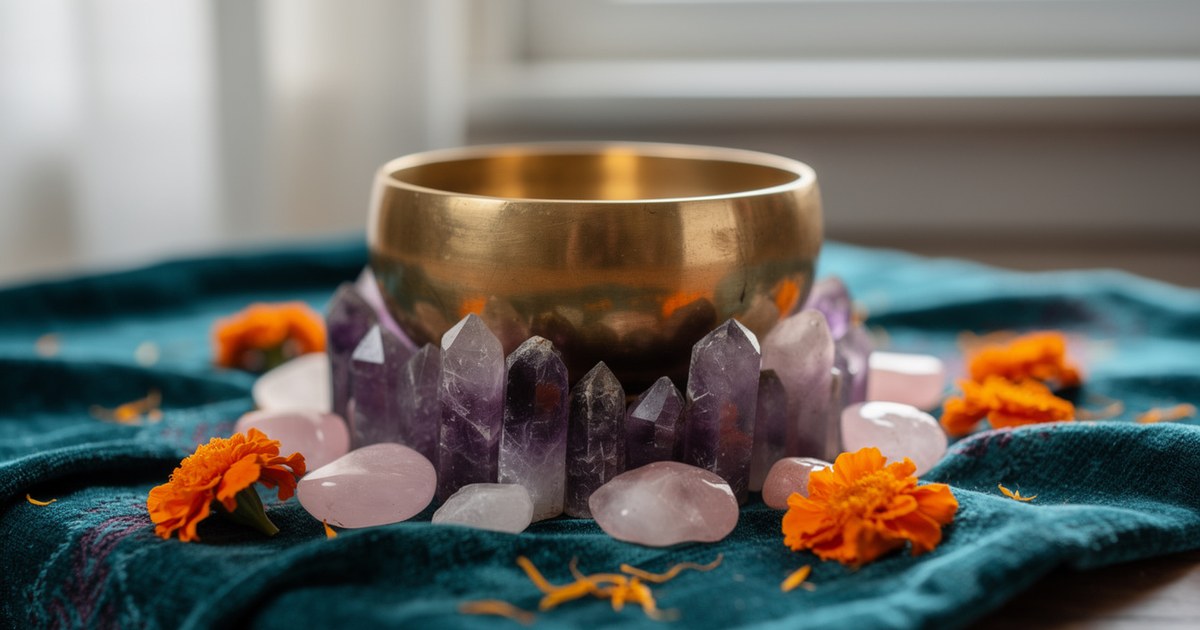
What Chakra Balancing Music Is and How to Use It
Chakra balancing music pairs specific tones with each of the seven energy centers, from a low grounding note for the root chakra to a clear high note...
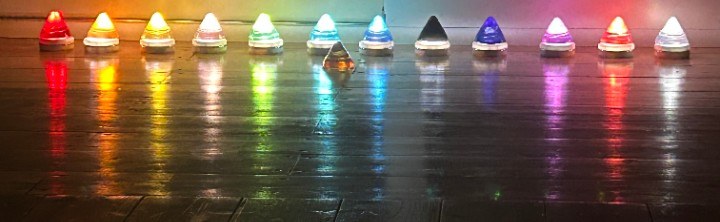
Quantum Balance Crystals Vortex Cones: The Color Range, Lit Up
A family workshop in business since 2010, a range organized by chakra color, and a row of twelve cones lit on a wood floor. What they are and how...
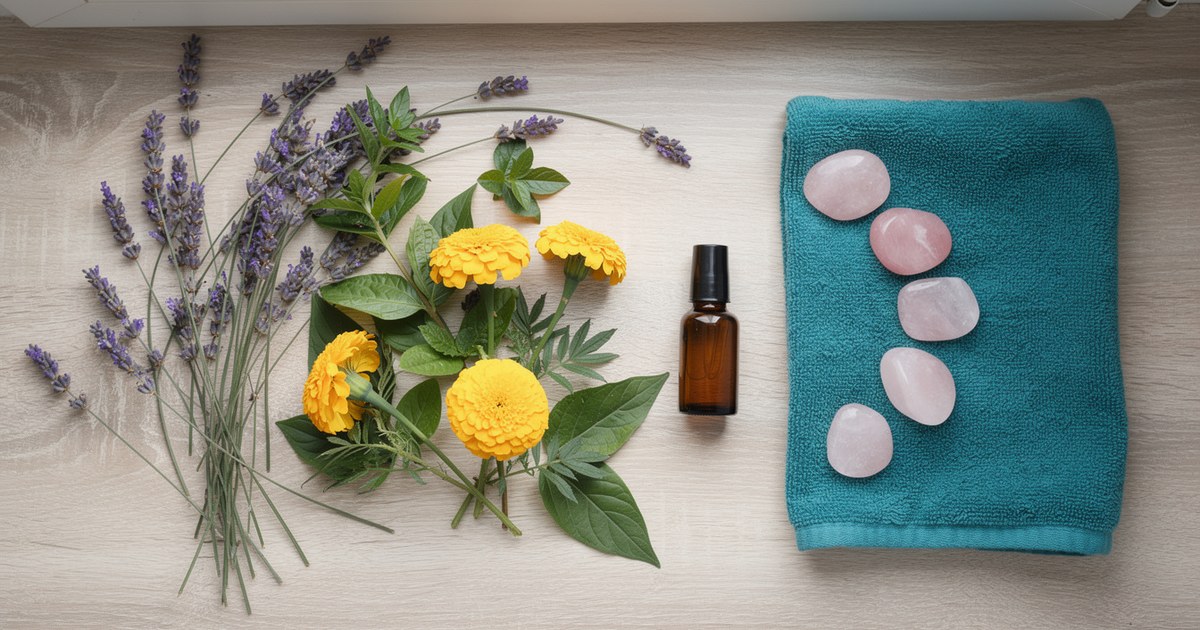
Chakra Balancing Massage: What It Is and How to Try a Simple Version at Home
Chakra balancing massage pairs gentle touch with attention to the seven energy centers of the body. Learn what a session feels like and how to try a...