
Chakra Balancing Massage: What It Is and How to Try a Simple Version at Home

You may have seen a spa menu or a studio flyer offering chakra balancing massage and wondered what it actually is. It sounds lovely, but it is not always clear how it differs from a regular massage. This guide explains the practice in plain language and gives you a gentle version to try at home.
What Chakra Balancing Massage Is
The chakras are seven energy centers described in yogic and energy traditions. They run from the base of the spine to the crown of the head. Each one connects to a theme, such as safety, creativity, voice, or connection.
A chakra balancing massage uses slow, intentional touch while the practitioner pays attention to these areas. The focus is less on working out knots and more on creating a calm, grounded feeling. Many people describe it as a blend of bodywork and quiet energy awareness.
It is a self-care and spiritual practice. It does not replace care from a licensed professional, and a good practitioner will say so openly.
How It Differs From a Regular Massage
A regular massage often follows muscles and asks how much pressure you want. A chakra session follows a path along the body's center line. The touch is usually lighter, slower, and more spacious.
Some practitioners add Reiki, crystals, sound, or a drop of aromatherapy oil. Others keep it simple with breath and quiet. If you want a longer look at how the two approaches compare, our post on energy healing and massage therapy lays out when to book each.
What a Session Often Feels Like
Most people arrive carrying a busy mind. The first few minutes usually feel like settling, with slower breathing and a heavier, softer body. Warmth, tingling, or a sense of floating are common descriptions.
Some people feel emotional and let a few tears come. Others simply fall asleep. None of these responses is better than another, and you do not need to believe anything in advance for the quiet to be useful.
The Seven Areas and Their Themes
- Root (base of the spine): safety, stability, feeling at home in your body.
- Sacral (low belly): creativity, pleasure, flow.
- Solar plexus (upper belly): confidence and personal power.
- Heart (center of the chest): love, grief, connection.
- Throat: honest expression and being heard.
- Third eye (between the brows): intuition and clear seeing.
- Crown (top of the head): stillness and a sense of something larger.
These themes are traditional teachings, not scientific claims. Think of them as gentle prompts for your attention.
A Simple Chakra Self-Massage You Can Try Tonight
You need about ten minutes, a quiet spot, and comfortable clothing. A little carrier oil or lotion is optional. Keep your touch light enough that it feels kind.
- Start at your feet. Press your thumbs slowly into the soles of your feet and take three long breaths. This is your root.
- Move to your low belly. Place both palms below your navel and make slow clockwise circles for one breath cycle.
- Rest on your upper belly. Let your hands settle and soften your stomach as you exhale.
- Press the center of your chest. Use your fingertips in small, slow circles over your breastbone.
- Soften your throat and jaw. Gently stroke from under your chin down both sides of your neck.
- Touch the space between your brows. Use one fingertip and make tiny circles, then smooth outward toward your temples.
- Cup the crown of your head. Rest your palms on top, close your eyes, and breathe for a full minute.
Finish by drinking a glass of water and sitting quietly for a minute. Notice what feels different without trying to judge it.
Ways to Support the Practice
Small details can deepen the quiet. Play soft music, dim the lights, or light a candle. A calming scent such as lavender or sweet orange can mark the moment as special.
Some people also use flower essences or an aura spray as part of the ritual. A mist around the room before you begin can signal your mind that this is a time to slow down. It is a personal choice, and the massage works fine without any extras.
How to Choose a Practitioner
If you search for chakra balancing near me, look for someone who explains the session before it begins. Ask how long it lasts, what touch is involved, and whether you stay clothed. A trustworthy practitioner respects your boundaries and never pressures you.
Trust your gut when you meet them. You should feel safe, heard, and free to stop at any time.
Frequently Asked Questions
Is chakra balancing massage the same as Reiki?
No. Reiki is usually done with light or no touch while the practitioner channels energy. Chakra balancing massage uses more hands-on touch, though some practitioners combine the two.
How often can I do the self-massage?
Many people enjoy it once or twice a week, or whenever they feel scattered. It is gentle enough for daily use if that feels good to you.
Do I need to believe in chakras for it to feel good?
Not at all. Slow touch, steady breathing, and a few quiet minutes feel soothing on their own. The chakra framework simply gives your attention somewhere to rest.
Should I skip it in any situation?
Yes, if you are pregnant, recovering from surgery, or have a health concern, check with your doctor first. Keep your touch light and stop if anything feels uncomfortable.
Want a calming space for your practice?
A gentle aura spray can help set the mood before you begin. Ask Rev. Michael if you would like help choosing one.
Ask Rev. Michael📅 Upcoming Events
See All Events & RegisterExplore our Aura Sprays
Hand-crafted by Rev. Michael Allison in Michigan and shipped nationwide. Tap any item to see it or order.

Green Rose Aura Spray (4 oz.)

Dragon's Blood Aura Spray (4 oz.)

Datura Aura Spray (4 oz.)

Lily of the Valley Aura Spray (4 oz.)

Coffee Flower Aura Spray (4 oz.)

Cacao Aura Spray (4 oz.)

Blue Lotus Aura Spray (4 oz.)

Archangel Michael Aura Spray (4 oz.)

Grounding Aura Spray (4 oz.)

Abundance Aura Spray (4 oz.)

Sage & Salt Aura Spray (4 oz.)

Gardenia Aura Spray (4 oz.)
Related Articles
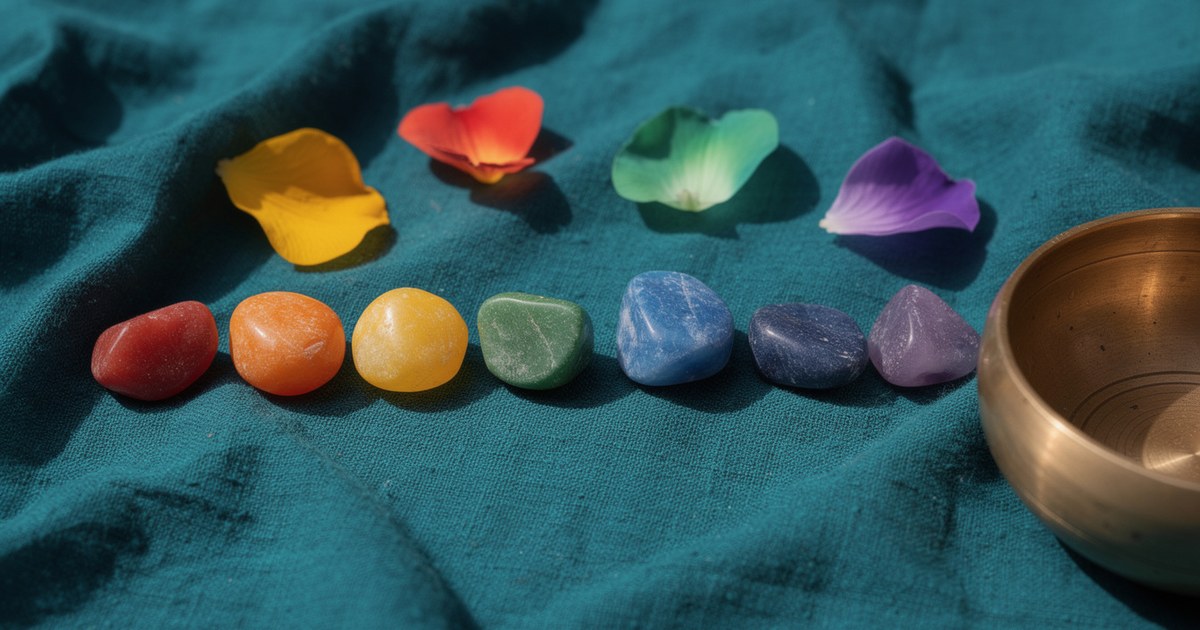
Chakra Balancing for Beginners: What It Is and How to Start at Home
If you have ever felt stuck, scattered, or emotionally off without a clear reason, chakra awareness gives you a useful framework for checking in with...
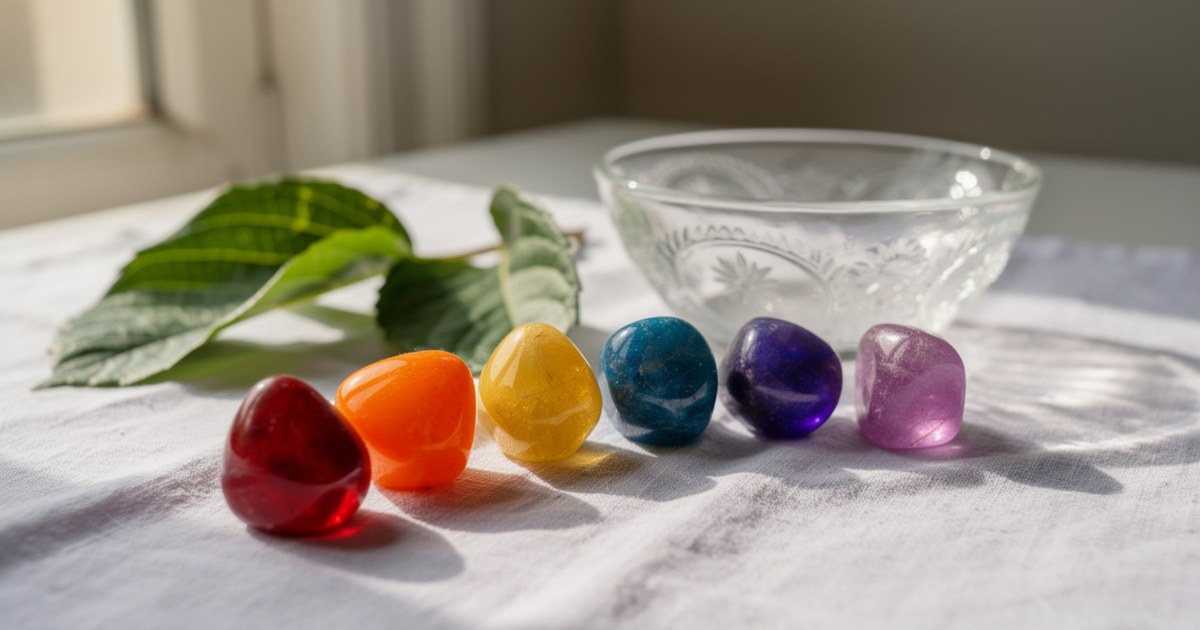
What to Expect at a Chakra Balancing Session
Searching for chakra balancing near you can bring up a confusing mix of crystals, massage, and music. This guide explains what a session usually...
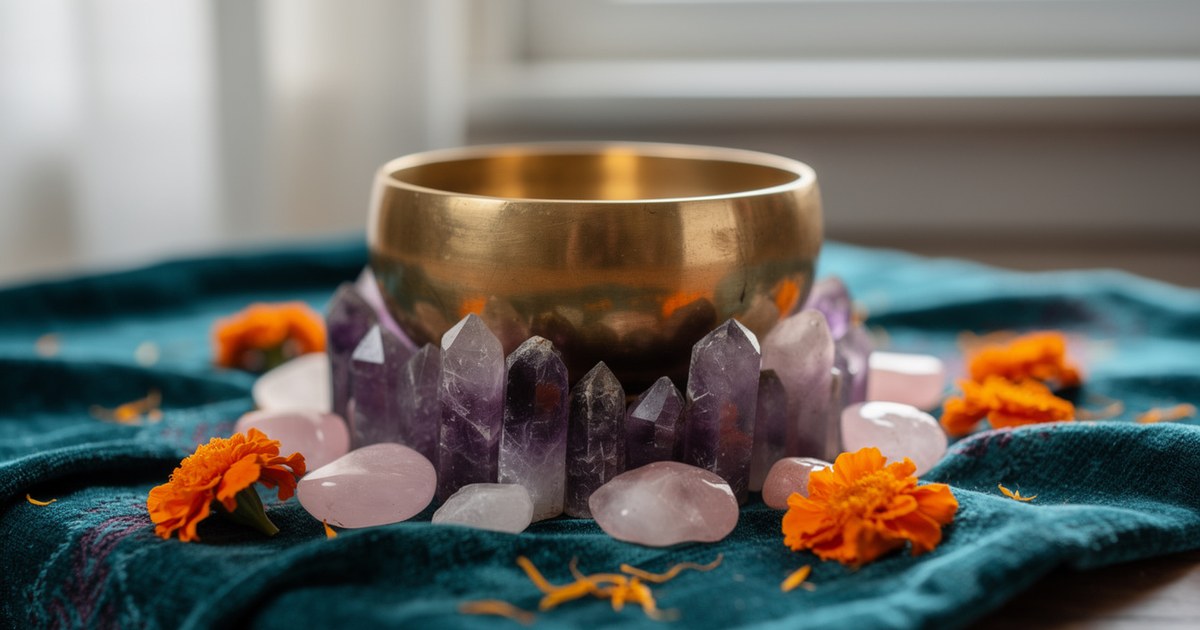
What Chakra Balancing Music Is and How to Use It
Chakra balancing music pairs specific tones with each of the seven energy centers, from a low grounding note for the root chakra to a clear high note...