The Science Behind Why Sound Baths Feel So Calming

What a Sound Bath Actually Is
A sound bath is a session where you lie down, stay still, and listen while someone plays bowls, gongs, or chimes. Nobody touches you, and there is no water involved despite the name.
The word bath describes the sensation of sound arriving from every direction for a long, unhurried stretch of time. Most sessions run somewhere between thirty and seventy-five minutes, and you spend nearly all of that lying on your back.
People arrive curious and a little skeptical, which is a perfectly good way to arrive. You do not need to believe anything in particular for sound to reach you.
Sound Moves Through You, Not Just Past You
Sound is physical before it is anything else. Every note a bowl makes is a moving wave of air pressure that meets your eardrums, your skin, your chest, and your bones.
Your body carries low frequencies especially well because you are mostly water and dense tissue. That is why a gong struck softly can feel like something you notice in your ribs rather than only something you hear.
Scientists call this bone conduction, and it explains why your own voice sounds strange on a recording. During a sound bath you are listening with your ears and sensing vibration through your whole frame at the same time.

What Researchers Have Actually Looked At
Sound bath research is young, and most of the studies are small. Honest reporting matters here more than big promises, so here is where the evidence sits today.
- A 2017 observational study from researchers at the University of California San Diego followed sixty-two adults through an hour of singing bowl meditation. Participants reported feeling calmer and less tense afterward compared with how they felt going in. There was no comparison group, so the study records what people reported about themselves rather than showing what caused it.
- Broader music and rhythm research suggests that slow, steady, predictable sound tends to slow breathing and heart rate in people who are simply listening.
- Studies on sustained tones suggest that long, overlapping notes give the mind less to track than speech or melody, which many listeners experience as restful.
- Most of this work relies on what people report about their own mood and tension, and sample sizes are modest. That is real evidence, and it is also early evidence.
So the accurate answer to the question people type into search bars is yes, there is science, and it is preliminary. A sound bath is a relaxation practice, not a substitute for care from a qualified professional.
The Nervous System Part, in Plain Language
Your nervous system is constantly scanning your surroundings for signs of safety or threat. It reads light levels, sound, temperature, and whether anything is being asked of you right now.
A sound bath quietly stacks the safety signals. The lights go low, you lie down, your phone goes away, and nobody expects you to respond to anything for the next hour.
Under those conditions your exhale often lengthens on its own, and the long exhale is one of the most reliable ways to shift into a slower internal gear. The bowls give your attention something soft to rest on so it stops rehearsing tomorrow.
Is It Just Relaxation With Extra Steps?
Some people ask whether the bowls matter at all, or whether lying down in a dim room would do the same thing. It is a fair question and worth answering plainly.
Lying down in a dim room absolutely helps, and almost nobody does it. The structure of a scheduled session, the presence of other quiet people, and the sound itself make the rest actually happen.
Expectation plays a role too, and that is not a flaw in the practice. Your beliefs about an experience shape how your body responds to it, and that pattern turns up consistently across research on human experience.
What Your First Session Is Like
Knowing the logistics removes most of the nervousness people feel about walking in. A few practical notes make the first time much easier.

- Wear soft clothes you can lie in for an hour, and bring layers because bodies cool down when they go still.
- Most places provide mats, though bringing your own blanket and a small pillow makes a real difference in comfort.
- Arrive a few minutes early so you are not settling in while the first bowl is already sounding.
- You may fall asleep, and that is fine. Your ears keep working while you doze.
- Sensations like tingling, heaviness, drifting images, or a sudden wave of emotion are common. Let them pass through without analyzing them.
Afterward, most people feel slow and a little spacey for an hour or so. Drink water, skip the errands if you can, and let the quiet last as long as it wants to.
How to Bring Some of This Home
You do not need a full set of crystal bowls to work with sound between sessions. The principle is steady, gentle, predictable vibration and a body that has permission to stop.

- Hum on a long exhale for two minutes. Humming creates vibration in your chest and face and naturally slows your breathing.
- Play a recorded sound bath at low volume while you lie on the floor with your knees bent.
- Strike one bowl or chime and follow the sound all the way until you can no longer hear it. Repeat five times.
- Give yourself ten minutes rather than an ambitious hour. Short and regular beats long and rare.
Many people pair sound with something scented or tactile to mark the shift into quiet, such as a mist over the room or a drop of a flower essence under the tongue. The point is a clear signal to your body that this time is different from the rest of the day.
At Prismatic Flower Essences in Madison Heights, Reverend Michael hosts crystal singing bowl sound baths for small groups throughout the year. Newcomers are genuinely welcome, and no experience with meditation is expected.
Frequently Asked Questions
Is there real science behind sound bath benefits?
There is early research, mostly small studies where participants reported feeling calmer and less tense after singing bowl sessions. Broader music research supports the idea that slow, steady sound encourages slower breathing and heart rate.
How often should I go to a sound bath?
Once a month suits most people's schedules and budgets well. If you love it and have access, weekly is fine, and many people supplement with ten quiet minutes of sound at home.
What if I fall asleep during the session?
Falling asleep is extremely common and nothing to apologize for. Your hearing stays active while you sleep, and the rest itself is part of what you came for.
Can I attend if I am sensitive to loud noise?
Yes, and it helps to tell the facilitator before the session starts. Sitting or lying farther from the bowls gives you more control, and you are always free to step out quietly.
Are sound baths safe for everyone?
A sound bath is a gentle, non-contact experience and most people can simply lie down and listen. If you are pregnant, live with a seizure disorder, use a hearing device, or have any condition affected by sound or vibration, ask your own healthcare provider first and tell the facilitator before the session begins.
Do I need meditation experience to attend a sound bath?
No experience is needed, and there is nothing to learn beforehand, no posture to hold, and no wrong way to lie there and listen. In the 2017 University of California San Diego study, the people who had never tried singing bowl meditation before reported a larger drop in tension than the experienced meditators did.
This article is general information about a relaxation practice and is not medical advice. Reverend Michael Allison is a certified flower essence practitioner, not a medical provider, and a sound bath is never a replacement for care from your own qualified health professional.
Curious what an hour of bowls feels like?
Reverend Michael hosts small crystal singing bowl sound baths in Madison Heights throughout the year. Come see what settles when you finally lie down and listen.
See Upcoming Events Ask Rev. Michael📅 Upcoming Events
See All Events & RegisterBook These Sessions
Sessions with Rev. Michael Allison, a Certified Flower Essence Practitioner. Tap a session to see what it involves.


Related Articles
Inside a Prismatic Crystal Singing Bowl Sound Bath
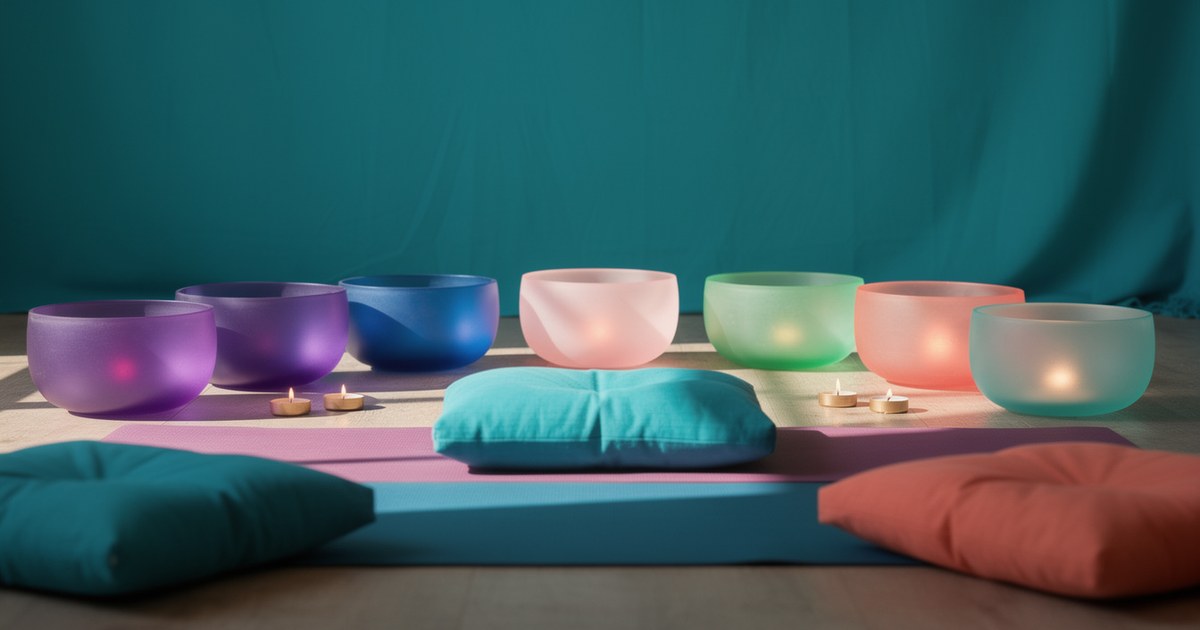
A look back at our recent crystal singing bowl sound bath in Madison Heights, what a session feels like, and how to join the next one.
Inside Our Starlight Healing Soundbath: An Evening of Sound Healing in Madison Heights
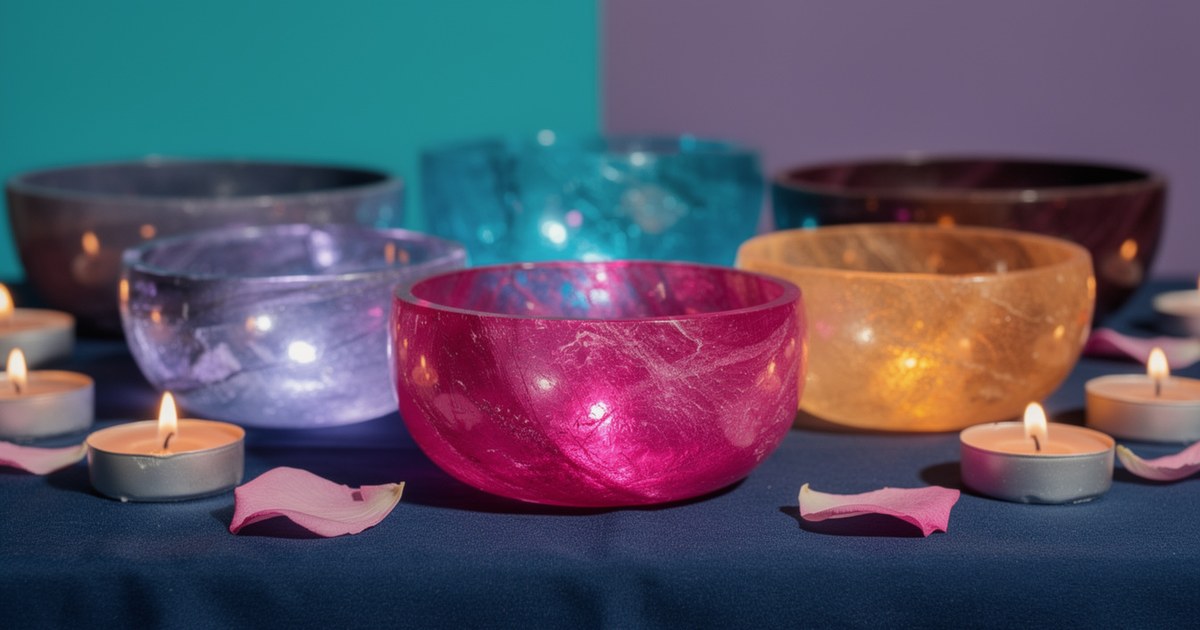
Last night the candles were lit and the bowls were singing. Here is what happens at our monthly Starlight Healing Soundbath in Madison Heights...
What Chakra Balancing Music Is and How to Use It
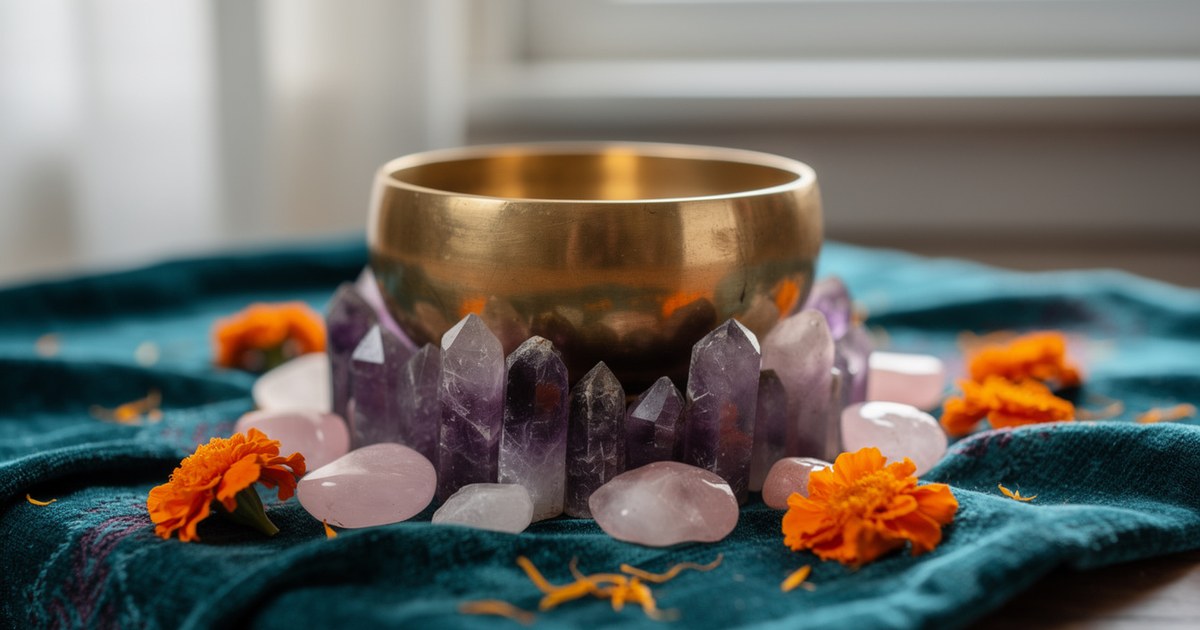
Chakra balancing music pairs specific tones with each of the seven energy centers, from a low grounding note for the root chakra to a clear high note...