How to Start a Gratitude Practice That Feels Real, Not Forced
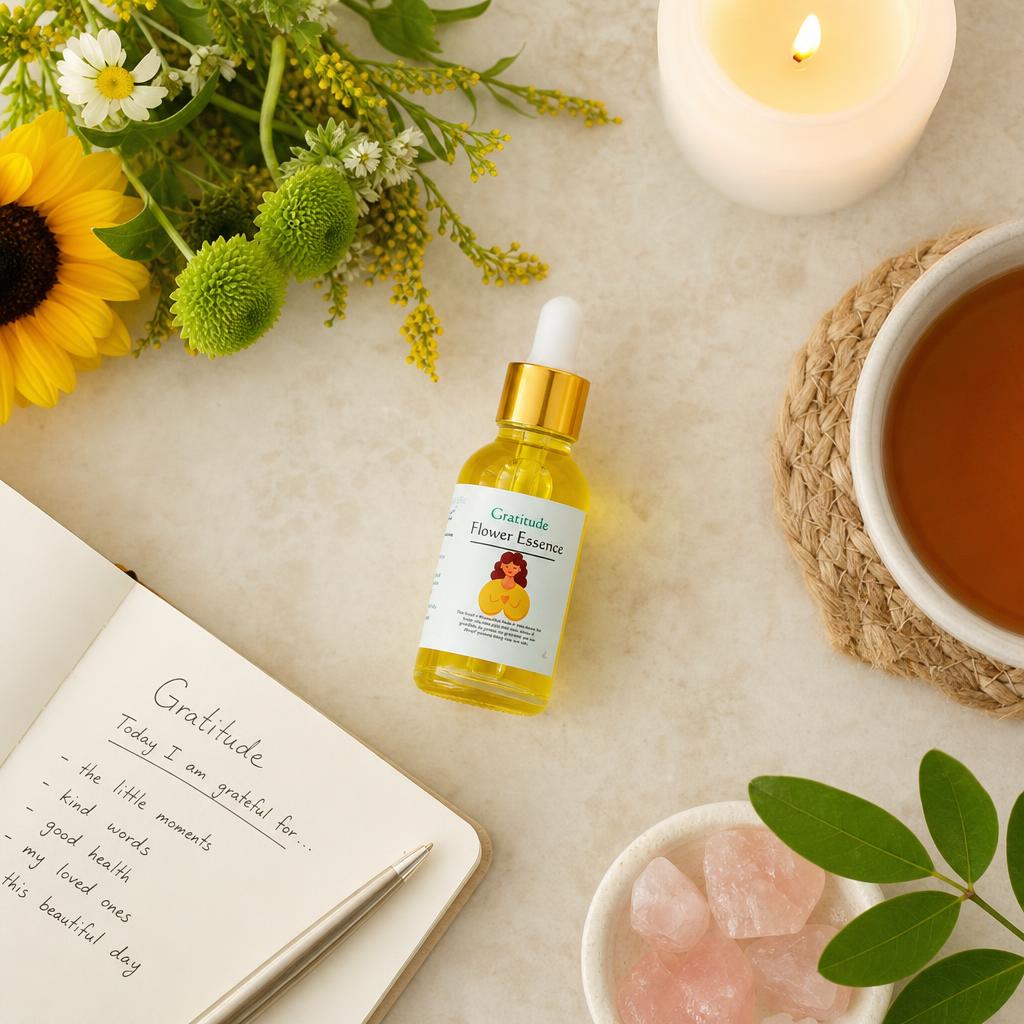
The simplest way to start a gratitude practice is to write about one or two specific good things once or twice a week. Let the hard parts of life stay on the page too. You do not need a perfect journal or a daily streak to make it work.
Many people try gratitude after hearing that it can lift their mood, then quit within a week. The lists start to feel like homework, or like pretending everything is fine. This guide covers what the research actually says and how to build a practice that feels true to you.
What the Research on Gratitude Shows
One of the best known studies comes from psychologists Robert Emmons and Michael McCullough, published in 2003. They asked people to keep short weekly or daily records. Some listed things they were grateful for, while others wrote about hassles or ordinary events.
The gratitude groups reported higher well-being on several, though not all, of the measures. A lift in positive mood was the most consistent result. Harvard Health Publishing notes that the gratitude writers also felt more optimistic and better about their lives.
It is worth keeping expectations honest. A 2016 meta-analysis by Davis and colleagues pooled many gratitude studies. Gratitude exercises helped well-being modestly compared with doing nothing, and they worked about as well as other helpful exercises, not better.
In other words, gratitude is a gentle, low-cost habit with real but modest effects. It is one good tool among several, not a fix for everything.
Why Gratitude Sometimes Feels Forced
Gratitude can feel hollow when you use it to cover pain instead of making room for it. Telling yourself to be thankful while you are hurting often adds guilt on top of the hurt. The practice works better as gentle noticing than as a rule about how you should feel.
Dr. Edward Bach described a similar pattern in his flower remedy system. The Bach Centre says Agrimony is the remedy for people who keep their troubles hidden under a mask of pleasure and happiness. A gratitude list can become that kind of mask if you never write down what is hard.
So give yourself permission to be honest. You can be grateful for a friend's phone call and still feel tired, sad or worried. Both can be true in the same entry.
Start Small: Once or Twice a Week
More is not always better with gratitude. Greater Good Magazine, published by the University of California, Berkeley, describes research on how often to write. People who counted their blessings once a week grew happier, while people who did it three times a week did not.
The likely reason is that we adapt to good things quickly, so a daily list can turn into a routine we stop feeling. Pick one or two set times each week, such as Sunday evening and Wednesday at lunch. A small, steady rhythm is easier to keep than a big promise.
Five Ways to Make Gratitude Specific
The same Greater Good guide offers tips that help an entry feel real instead of rote. Each one asks you to slow down and notice detail.
- Go for depth over breadth. Write five sentences about one good moment instead of one line each about five things.
- Focus on people. Gratitude for a person, and for what they did, tends to land more deeply than gratitude for an object.
- Try subtraction. Imagine your week without something you value, such as a warm home or a good friend. Then notice how it feels to have it.
- Savor surprises. Unexpected kindness often stirs stronger gratitude, so write those moments down while they are fresh.
- Write a gratitude letter. In a study led by Martin Seligman, people who wrote and delivered a thank-you letter saw a big rise in happiness scores. Harvard Health reports that the benefit lasted about a month.
A Simple Weekly Gratitude Ritual
A ritual gives your practice a clear start and a clear finish. This one takes about fifteen minutes and uses things you likely already have at home.
- Choose your set time and a quiet spot. Make a cup of tea or light a candle to mark the start.
- Take three slow breaths, letting each exhale run a little longer than the inhale.
- Write about one person you appreciate this week. Name what they did and how it felt to you.
- Write about one ordinary moment you enjoyed, such as a warm drink, a song or a walk outside.
- Add one honest line about something hard this week, and what or who helped you through it.
- Close the journal and blow out the candle. Let that mark the end of the practice for today.
Some people like a physical cue that tells the body the ritual has begun. A candle, a favorite mug or a few drops of a flower essence in water can all play that role.
Where Gratitude Essence Fits In
Gratitude Essence is a Prismatic Flower Essences blend made for this kind of practice. It combines Agrimony, Holly and Canyon Dudleya flower essences with a magenta color light elixir.
In the Bach tradition, Agrimony speaks to the cheerful mask described above. The Bach Centre describes Holly as encouraging generosity of spirit and openness toward others. Canyon Dudleya is not one of Dr. Bach's original 38 remedies.
Many people take their drops at the start of a weekly ritual, so the moment becomes a cue to slow down and notice. Directions for use are on the product page. If you would like a blend matched to your own situation, a Flower Essence Consultation with Rev. Michael Allison is another option.
Flower essences are a traditional, complementary practice. They are not medicine, and they do not take the place of care from a licensed health care professional.
When Gratitude Is Not the Right Tool
A gratitude practice is a gentle form of self-care, and it works alongside other support, never instead of it. If you feel low most days, please reach out to a qualified professional or someone you trust. The same goes for grief or worry that makes it hard to sleep, eat or get through the day.
If you are in crisis in the United States, call or text 988 to reach the 988 Suicide & Crisis Lifeline. It is open at all hours, every day.
Sources
- Emmons, R. A., and McCullough, M. E. (2003). Counting blessings versus burdens: An experimental investigation of gratitude and subjective well-being in daily life. Journal of Personality and Social Psychology, 84(2), 377-389. PubMed abstract
- Davis, D. E., and colleagues (2016). Thankful for the little things: A meta-analysis of gratitude interventions. Journal of Counseling Psychology, 63(1), 20-31. PubMed abstract
- Seligman, M. E. P., Steen, T. A., Park, N., and Peterson, C. (2005). Positive psychology progress: Empirical validation of interventions. American Psychologist, 60(5), 410-421. PubMed abstract
- Marsh, J. (2011). Tips for Keeping a Gratitude Journal. Greater Good Magazine, University of California, Berkeley. Read the article
- Harvard Health Publishing. Giving thanks can make you happier. Read the article
- The Bach Centre. Remedy descriptions for Agrimony and Holly.
Frequently Asked Questions
How often should I write in a gratitude journal?
Once or twice a week is a good place to start. Research described by Greater Good Magazine found that weekly writing lifted happiness more than writing three times a week, likely because a daily list starts to feel routine.
What if I don't feel grateful right now?
That is normal, especially during a hard season. Start with something very small, such as a warm drink or a kind text, and let yourself write about what is difficult too. Gratitude can sit beside sadness without erasing it.
Is a gratitude letter better than a gratitude list?
They do different jobs. A list builds a steady habit of noticing, while a letter to a real person can bring a stronger, shorter lift and may bring you closer. Many people keep a weekly list and write a letter a few times a year.
Can a flower essence help with a gratitude practice?
Some people use a blend such as Gratitude Essence as a gentle cue that marks the start of their ritual. Flower essences are a complementary practice and are not a substitute for professional care, so think of the blend as a companion to the habit rather than the habit itself.
Want a gentle cue for your weekly ritual?
See the Gratitude Essence blend, or ask Rev. Michael which flower essence suits the way you feel this season.
See Gratitude Essence Ask Rev. Michael📅 Upcoming Events
See All Events & RegisterExplore our Flower Essence Blends
Hand-crafted by Rev. Michael Allison in Michigan and shipped nationwide. Tap any item to see it or order.

Grounding Drops (1 oz.)

Broken Heart Flower Essence Blend (1 oz.)

Heart Chakra Drops (1 oz.)

Aura Detox Flower Essence Blend (1 oz.)

Manifesting Flower Essence Blend (1 oz.)

Intuition Enhancer Flower Essence Blend (1 oz.)

Moon Ritual Essence (1 oz.)

Gratitude Essence (1 oz.)

Money Magnet Flower Essence Blend (1 oz.)

Inner Child Drops (1 oz.)

The Lover's Essence (1 oz.)

Shadow Work Drops (1 oz.)
Related Articles
Journaling Prompts for Emotional Balance on Hard Days
On a heavy day, a blank page can feel like one more demand. These short prompts give your feelings somewhere to land, so you can see them clearly and...
Flower Remedy Benefits People Notice in Everyday Life
Flower remedies are gentle, water-based preparations that people use to pause, check in with their feelings, and stay steady through busy days. This...
Money Blocks Are Emotional: The Flower Essences People Reach For Around Money
You quoted the job at half what you meant to say out loud. You have not opened the banking app in nine days. You got the raise and inside a month the...