How Aromatherapy Helps With Anxiety in Everyday Moments

Anxious moments rarely arrive at a convenient time. Your chest tightens in traffic, your jaw locks during a meeting, and your thoughts start sprinting in tight circles.
In those moments, advice like "just think differently" lands flat. Your body is already moving faster than your reasoning, and it needs a signal it can actually receive.
Scent is one of the fastest signals you have. That is why so many people search for aromatherapy for anxiety, and why a single deep inhale can shift how a hard afternoon feels.
Why Scent Works So Quickly
Most of what you sense travels through a relay station in the brain before it reaches the areas tied to emotion. Smell takes a shorter route.
Odor molecules reach receptors high in your nose, and those signals move almost directly into the limbic areas that handle feeling and memory. Your body reacts before you name what you smelled.
This is also why a scent from childhood can flood you with feeling in a half second. Aromatherapy borrows that same wiring on purpose, in a direction you choose.
What Anxious Energy Does in the Body
When your system senses pressure, it shifts into a faster gear. Breathing moves up into the chest, muscles brace, and digestion slows down while your attention narrows.
None of that is a flaw. It is an old survival design responding to a modern inbox, and it simply needs help switching back into a slower gear.
Scent gives your body a clear cue that the moment is safe enough to soften. Paired with slow breathing, that cue becomes stronger and easier to repeat.
Aromas People Reach For Most
There is no single right scent, and personal preference matters more than any chart. If an aroma feels unpleasant to you, it will not settle you, no matter how popular it is.
Here are the ones people most often keep within reach:
- Lavender. Soft, familiar, and widely used for winding down at night or slowing a racing mind.
- Bergamot. Bright and citrusy with a calm edge, often chosen for tense afternoons.
- Sweet orange. Warm and cheerful, and a good option when heaviness sits on your mood.
- Frankincense. Grounding and resinous, favored for prayer, meditation, and deep breathing.
- Cedarwood. Steady and woody, helpful when you feel scattered and want to land back in your body.
- Peppermint. Sharp and cooling, better for foggy focus than for bedtime.
Smell a few before committing to a bottle. Your nervous system will tell you quickly which one it likes.
Simple Ways to Use Scent During a Hard Moment
You do not need a diffuser running all day. Most of the value comes from short, deliberate use at the exact moment you feel yourself tighten.
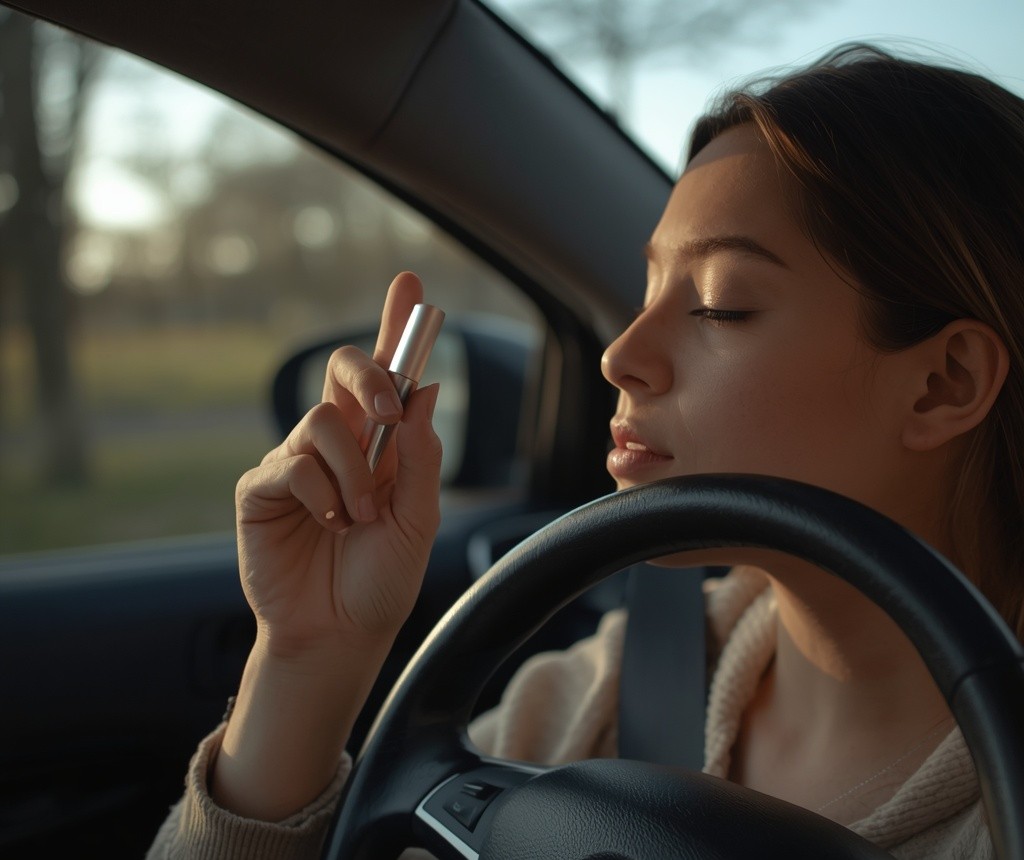
- Two drops on a tissue. Keep it in your bag or your car console and breathe from it for three slow rounds.
- A personal inhaler. These pocket tubes are discreet enough for an office, a waiting room, or a school pickup line.
- Diluted on pulse points. Blend into a carrier oil, then apply at the wrists or behind the ears so the aroma stays with you.
- Shower steam. Place a few drops on the floor away from the stream and let the warm air carry it.
- A room mist. One or two sprays above your desk marks a clean break between tasks.
Pair any of these with a longer exhale than inhale. Breathe in for four counts and out for six, and let the scent ride along with the rhythm.
Build a Scent Anchor
Here is where aromatherapy becomes more than a pleasant moment. Your brain learns to link a specific aroma with a specific state, and that link strengthens with repetition.
Choose one scent and use it only during calm practices for two weeks. Use it while you stretch, journal, pray, or sit quietly before bed.
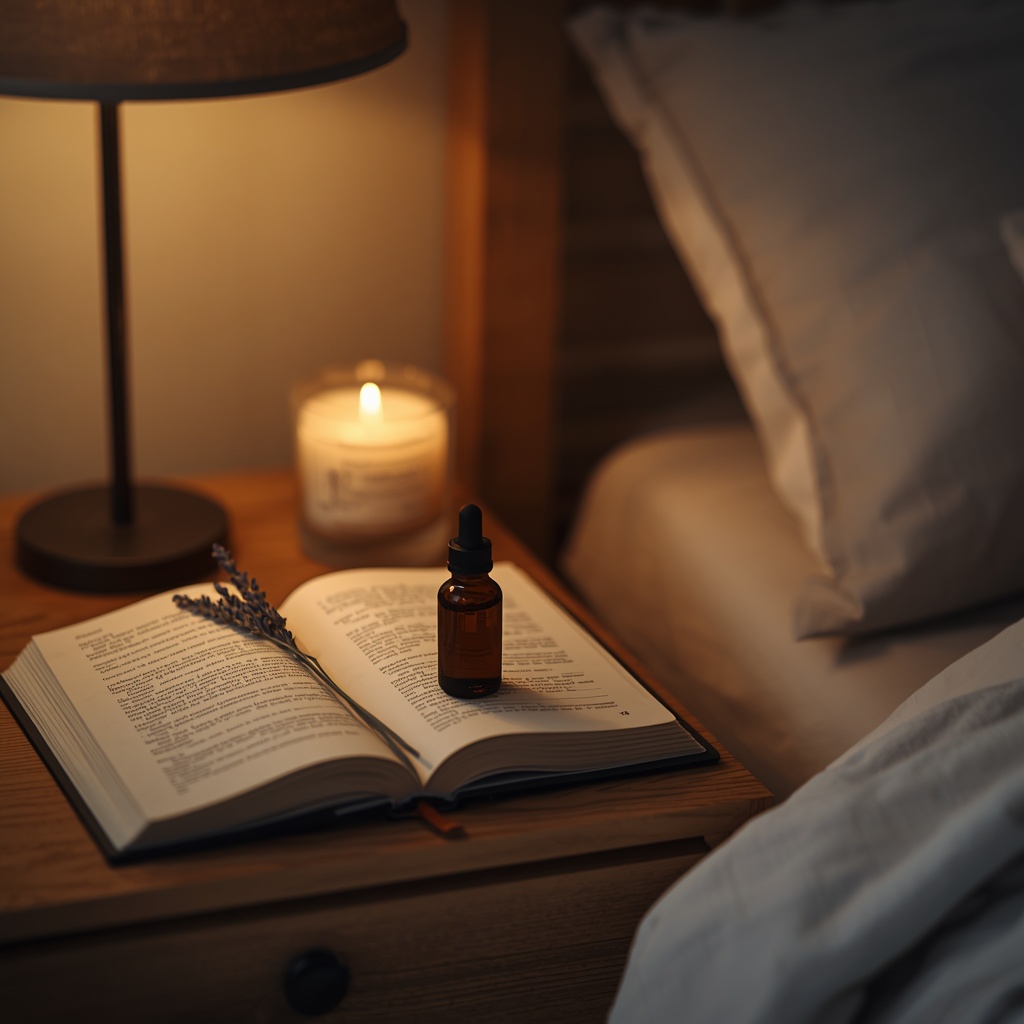
After a while, the aroma alone starts to call up that settled feeling. Then you can carry it into the situations that usually rattle you.
Use Essential Oils With Care
Concentrated plant oils are strong. A little goes further than most people expect, and more is not better.
Dilute before skin contact, keep oils away from eyes, and store bottles out of reach of children. If you are pregnant, nursing, or taking prescriptions, talk with your own provider first.
Animals deserve extra caution. Dogs and especially cats process these compounds differently, so diffuse in open, ventilated rooms and let pets leave freely whenever they want.
A note on care. None of this is medical advice. Aromatherapy is a comfort practice that sits alongside the care you already receive, never in place of it, so please keep talking with a qualified healthcare provider about anxiety, medication, and therapy.
Where Flower Essences Fit
Some people love aroma and some find strong scent overwhelming. That second group often asks what else exists, and this is where flower essences enter the conversation.
Flower essences are not aromatherapy. They carry no fragrance and no plant oil, because they work with the energetic imprint of a blossom held in water.
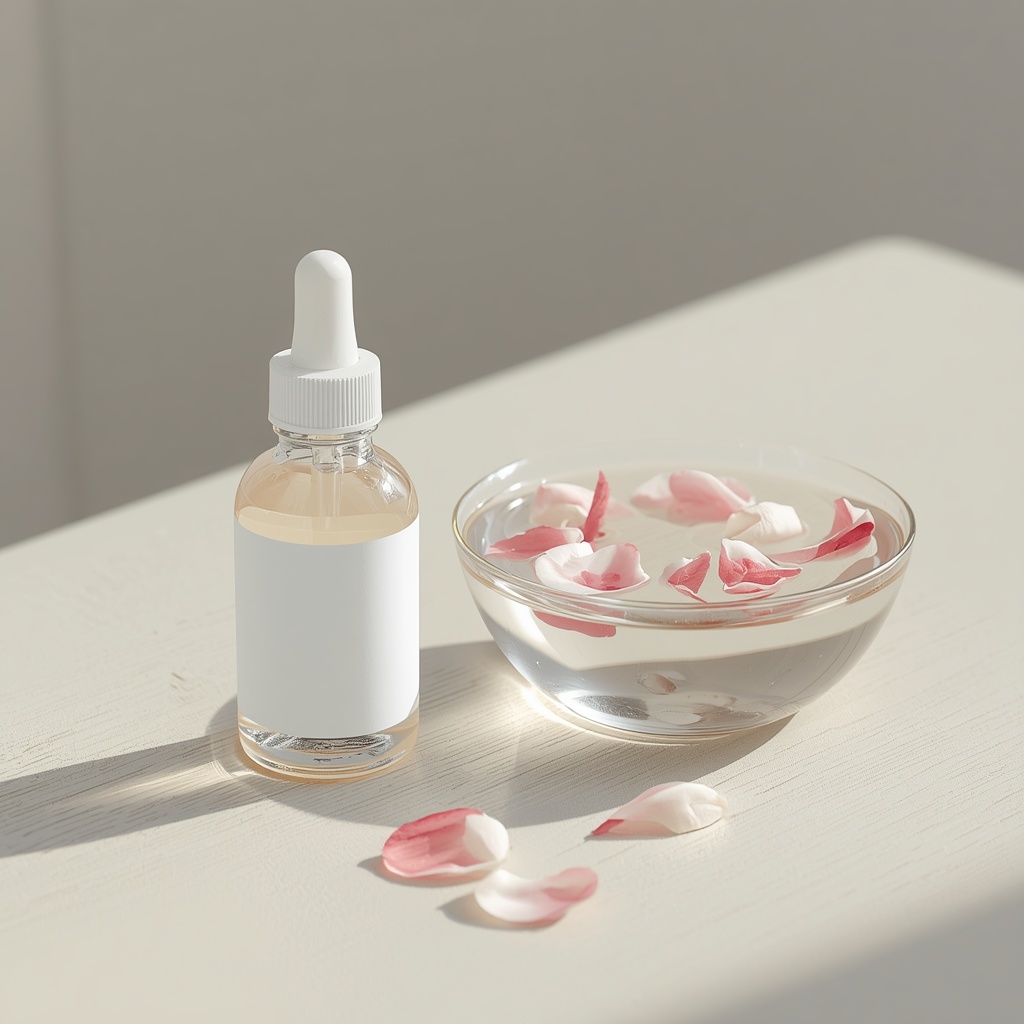
You take a few drops under the tongue or in water, and the effect is quiet rather than dramatic. Many people use them alongside a favorite aroma, one for the body and one for the mood underneath.
Aura sprays sit between the two. They mist the space around you, and they suit anyone who wants a reset without applying anything to skin.
Start Small and Stay Consistent
Pick one scent, one moment in your day, and one breathing pattern. That is the entire starting practice, and it takes under two minutes.
Consistency matters more than variety here. A single familiar aroma used daily will serve you better than a shelf of bottles you rarely open.
Over a few weeks, you may notice you reach for it automatically when pressure rises. That is your nervous system learning a new habit, and it is worth the small effort.
Frequently Asked Questions
Does aromatherapy really help with anxious feelings?
Many people notice a genuine shift in how tense they feel after using scent with slow breathing. Small studies on lavender and citrus aromas are encouraging, though the evidence is preliminary and results vary a great deal from person to person.
Which scent should a beginner start with?
Lavender and sweet orange are the friendliest starting points because most people find them pleasant. Smell both, then keep whichever one makes your shoulders drop.
Is aromatherapy safe around dogs?
Use caution and common sense. Diffuse in a ventilated room, never apply oils to your dog, and always leave a door open so your pet can walk away.
How are flower essences different from essential oils?
Essential oils are concentrated aromatic extracts you smell. Flower essences carry no scent and no oil, and they work with the vibrational imprint of the flower instead.
How long does it take before I notice anything?
The scent itself registers within a breath or two, and many people feel their shoulders drop in that first minute. The bigger benefit comes from repetition, so give a single aroma two weeks of daily use before you decide whether it suits you.
Can I use aromatherapy alongside my medication or therapy?
Many people use scent as a comfort practice alongside the care they already receive. It is not a substitute for medication or therapy, so please speak with your prescribing provider before you change anything about your treatment plan.
Want a calmer reset that fits in your bag?
Our aura sprays and flower essence blends give you a gentle way to shift a tense moment, with or without strong scent. Tell us how you have been feeling and we will point you toward a good starting place.
Find Your Match📅 Upcoming Events
See All Events & RegisterExplore our Aura Sprays
Hand-crafted by Rev. Michael Allison in Michigan and shipped nationwide. Tap any item to see it or order.

Green Rose Aura Spray (4 oz.)

Dragon's Blood Aura Spray (4 oz.)

Datura Aura Spray (4 oz.)

Lily of the Valley Aura Spray (4 oz.)

Coffee Flower Aura Spray (4 oz.)

Cacao Aura Spray (4 oz.)

Blue Lotus Aura Spray (4 oz.)

Archangel Michael Aura Spray (4 oz.)

Grounding Aura Spray (4 oz.)

Abundance Aura Spray (4 oz.)

Sage & Salt Aura Spray (4 oz.)

Gardenia Aura Spray (4 oz.)
Related Articles
Aromatherapy for Sleep: Gentle Scents for a Calmer Bedtime
Scent can become a quiet cue that tells your body the day is finished. Here is how to choose calming aromas, use them safely, and build a simple...
How Aromatherapy Can Help You Feel Steady When Nausea Hits
A queasy stomach often responds well to scent, especially peppermint and ginger paired with slow breathing. This post explains why smell calms the...
Flower Essences vs. Essential Oils: What's the Real Difference?
Flower essences and essential oils both come from plants, but they are completely different. Learn how each is made, how they smell, how you use...